Unpacking Gabon’s strategic digital pivot: why 5G and FUP matter now
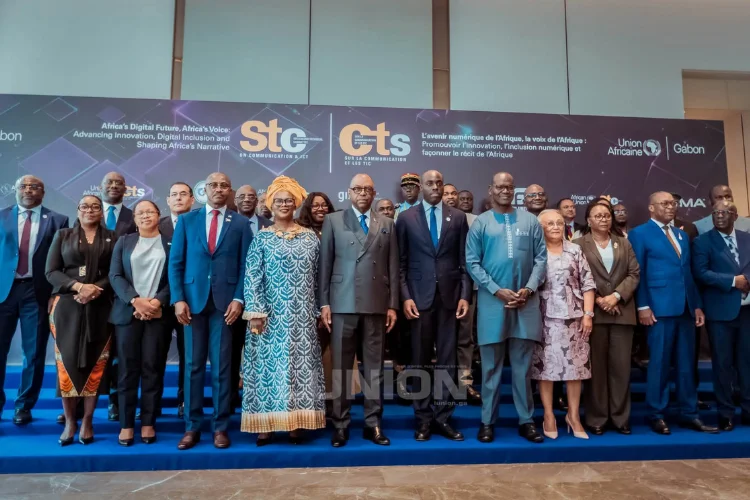
The Gabon Digital Week in Libreville wasn’t just another tech event—it was a calculated move to position Gabon as a regional digital leader. Opening the forum, Vice President Alexandre Barro Chambrier framed digital transformation as a strategic national priority, setting the tone for a week-long discussion on Sovereignty, Inclusion, Innovation. This wasn’t about chasing trends; it was about addressing the root causes of Gabon’s economic diversification challenges and leveraging technology to bridge long-standing gaps in productivity and public service delivery.
The event’s timing wasn’t coincidental. With global technology governance shifting rapidly, Gabon is making a deliberate play to secure its interests in the digital economy’s future. The stakes? Ensuring that the country’s digital infrastructure doesn’t just keep pace with global standards but actively shapes them in ways that align with Gabonese priorities.
How 5G is set to redefine Gabon’s economic and social landscape
Minister of Digital Economy Mark Alexandre Doumba didn’t mince words: 5G isn’t just an upgrade—it’s a productivity catalyst. The technology’s potential to enable smart industries, IoT-driven agriculture, and real-time public services was a recurring theme. But the real insight? 5G’s role in leveling the playing field for Gabonese businesses, particularly SMEs, which have historically struggled with connectivity barriers that stifle growth.
The rollout, spearheaded by Moov Africa Gabon Telecom and Airtel Gabon with regulatory backing from ARCEP, promises to unlock new use cases across sectors:
- Education: Remote learning platforms powered by ultra-low latency could revolutionize access to quality education in rural areas.
- Healthcare: Telemedicine and AI-driven diagnostics could reduce the burden on urban hospitals and improve rural healthcare outcomes.
- Entrepreneurship: Faster internet speeds and reliable connectivity could attract tech startups and foster innovation hubs.
Yet, the transition isn’t without hurdles. Infrastructure gaps, particularly in rural regions, could limit 5G’s reach. The question Gabon must answer: How will it ensure that 5G’s benefits aren’t confined to Libreville and Port-Gentil?
The FUP: Gabon’s bold move to modernize state participation tracking
While 5G grabbed headlines, the launch of the Fichier Unique des Participations (FUP)—unveiled by Budget Minister Marc Abeghe—was the unsung hero of the event. This centralized platform isn’t just about digitizing records; it’s about transparency and accountability in state-owned enterprises (SOEs).
The FUP’s core purpose is to consolidate and secure data on the state’s holdings across industries, from energy to telecommunications. But its deeper significance lies in its potential to:
- Cut red tape: Streamlining participation tracking could reduce bureaucratic delays that often stall critical investments.
- Enhance decision-making: Real-time data on SOEs’ performance could guide smarter fiscal policies and privatization strategies.
- Combat corruption: By centralizing records, the FUP makes it harder for opaque dealings to go unnoticed.
The platform’s launch reflects a broader trend in African governance: the shift from reactive to proactive public financial management. For Gabon, this could mean fewer surprises in state-owned enterprise losses and more strategic resource allocation.
Behind the scenes: the geopolitical chessboard of Gabon’s digital strategy
The Gabon Digital Week wasn’t just a local affair. The presence of Dr. John Omo, Secretary-General of the African Telecommunications Union (ATU), underscored the event’s regional significance. His call for African nations to assert their interests in global ICT governance hinted at deeper tensions: Who controls the rules of the digital economy? Will African voices shape standards, or will they be dictated by external players?
This geopolitical dimension adds another layer to Gabon’s digital ambitions. By hosting such a high-profile event, Gabon is positioning itself as a voice for African digital sovereignty—a stance that could pay dividends in negotiations over spectrum allocation, data localization laws, and tech infrastructure investments.
The event’s closing remarks, delivered via video message from the International Telecommunication Union (ITU), further emphasized the global stakes. In a world where digital infrastructure is increasingly a proxy for economic power, Gabon’s moves could serve as a model—or a cautionary tale—for other African nations.
What’s next for Gabon’s digital transformation?
The Gabon Digital Week may have ended, but the work is just beginning. The real test will be in execution. Here’s what to watch:
- Infrastructure expansion: Will Gabon’s 5G rollout prioritize urban centers or adopt a phased approach to include rural areas?
- FUP adoption: How quickly will government agencies and SOEs integrate the new platform, and what safeguards will prevent it from becoming another bureaucratic silo?
- Regulatory clarity: Will ARCEP’s policies evolve to keep pace with technological advancements, or will they lag behind?
- Public buy-in: Can Gabon’s citizens and businesses trust that these digital tools will serve their interests—not just those of elites?
One thing is clear: Gabon isn’t just adopting new technologies—it’s making a bet on its future. Whether that bet pays off will depend on how well it navigates the challenges ahead.